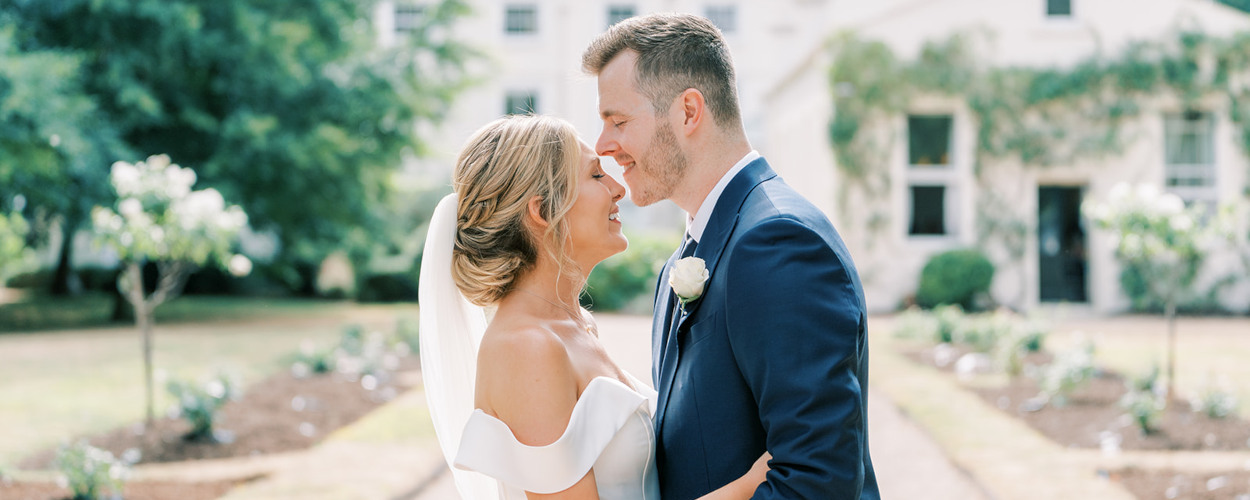
Congratulations on your engagement! This is such an exciting chapter – sharing your happy news, celebrating with loved ones, and starting to dream about what your wedding day might look like.
Alongside all the excitement, it’s completely normal to feel a little overwhelmed. Between endless inspiration, well-meaning opinions, and a growing to-do list, many couples find themselves wondering: Where do we even start?
This guide is here to walk you through the first steps after saying yes, helping you feel calm, confident, and supported as you begin planning your wedding.
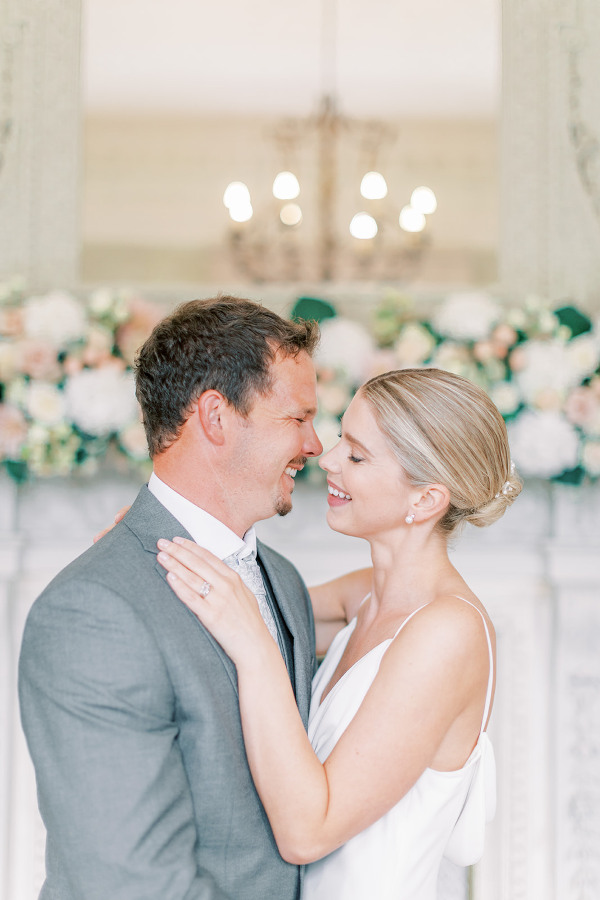
Consider Hiring a Professional Wedding Planner
Weddings are beautifully complex events with many moving parts. Having an experienced wedding planner by your side can save you time, reduce stress, and ensure nothing is overlooked—both during planning and on the day itself.
Many couples assume a planner won’t fit within their budget, but it’s always worth having the conversation. A good wedding planner doesn’t just manage logistics; they help you spend your budget wisely, avoid costly mistakes, and enjoy the process rather than feeling overwhelmed by it.
Your wedding should be a joyful experience, not a stressful one. If planning is already causing worry, investing in professional support can make all the difference.
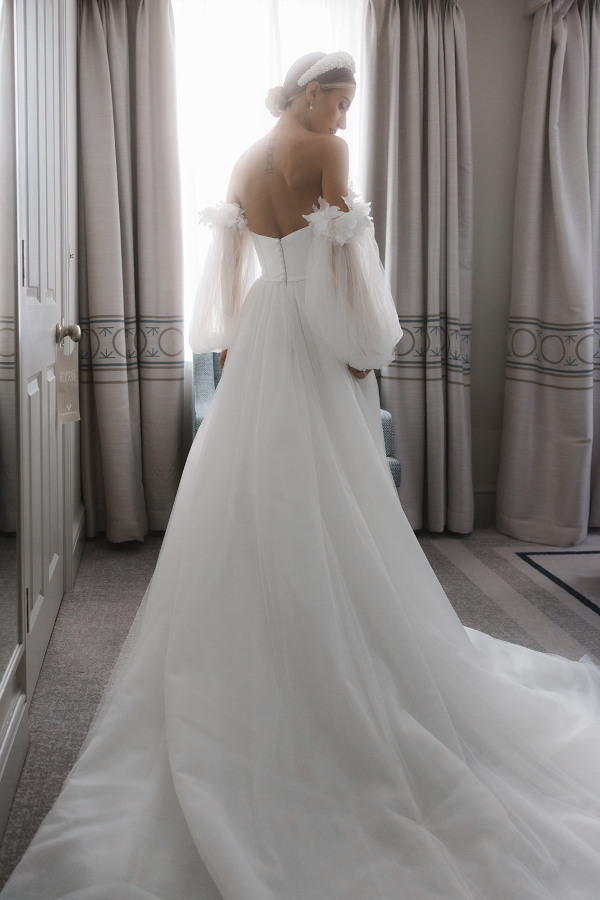
Set Your Budget Early
One of the very first and most important steps in wedding planning is setting your budget. It’s also one of the trickiest, especially if you’ve never planned a wedding before.
There are no strict rules about how much you should spend. Instead, focus on what feels comfortable and realistic for you. Think about what matters most and where you’re happy to prioritise your spend – perhaps statement florals versus simple arrangements, or Champagne versus Prosecco.
Your guest list plays a huge role in your overall budget. While it’s tempting to invite everyone you know, remember that each additional guest increases costs across catering, furniture, stationery, florals, and more. Even five or ten extra guests can significantly impact your spend.
Typically, the largest portion of a wedding budget goes towards venue hire and catering, followed by photography, flowers, stationery, and entertainment. You may also wish to set aside a separate budget for your honeymoon.
Working with a wedding planner can help you allocate funds thoughtfully, keep track of spending, and avoid unexpected surprises along the way.
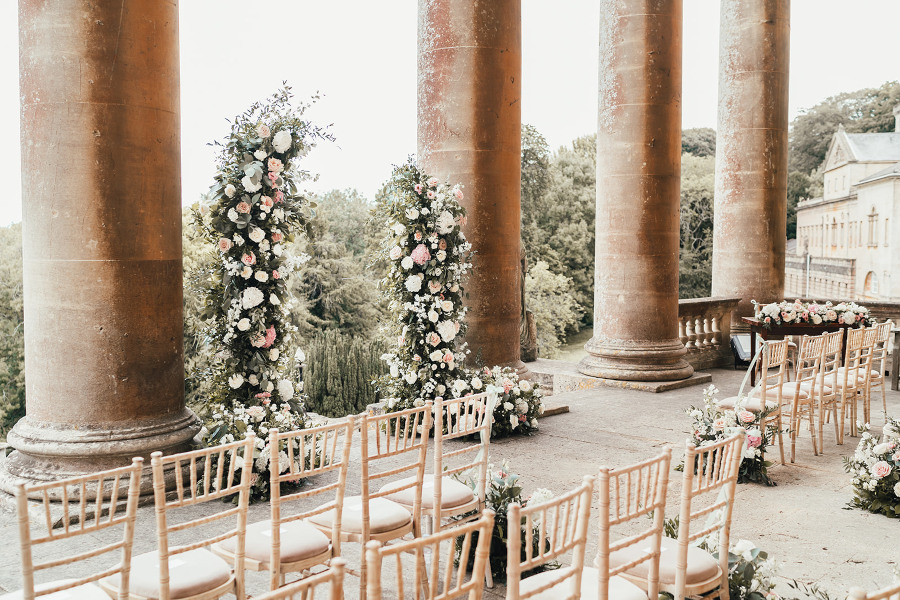
Choose Your Wedding Date
Choosing your wedding date is one of the key decisions you’ll make early on, as it influences almost every other aspect of planning – from venue availability to supplier bookings.
In the UK, peak wedding season tends to be late spring through early autumn (June to September), when weekend dates book up quickly. If you have your heart set on a summer wedding, flexibility such as a weekday or off-peak date can open up more options.
If you’re open to different seasons or days of the week, you’ll often find greater availability and potentially more flexible pricing. Just bear in mind the importance of giving guests plenty of notice, especially for mid-week celebrations.
Choose a date that feels meaningful to you both, and consider key family dates, major events, and bank holidays when making your decision.
Gather Inspiration & Start Dreaming
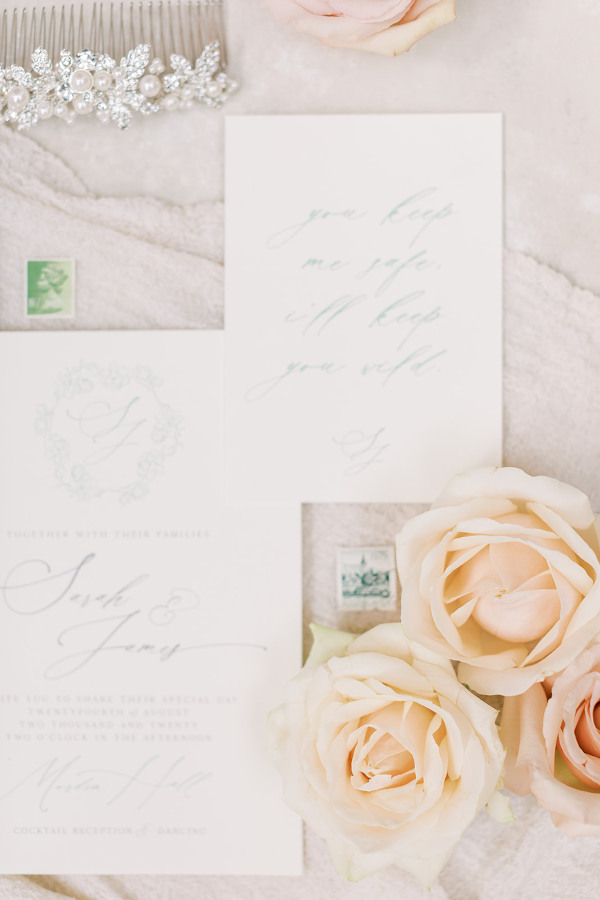
This is where the fun really begins. Start imagining how you want your wedding to feel and look, drawing inspiration from everything you love—fashion, interiors, travel, nature, and design.
Pinterest, Instagram, TikTok, and wedding blogs are wonderful tools, but don’t limit yourself to wedding-only content. Creating mood boards with colours, textures, and styles you’re drawn to can help clarify your vision and make it easier to communicate ideas to your suppliers.
Remember, inspiration is about refining your style – not following trends for the sake of it.
Define Your Wedding Style & Choose a Venue
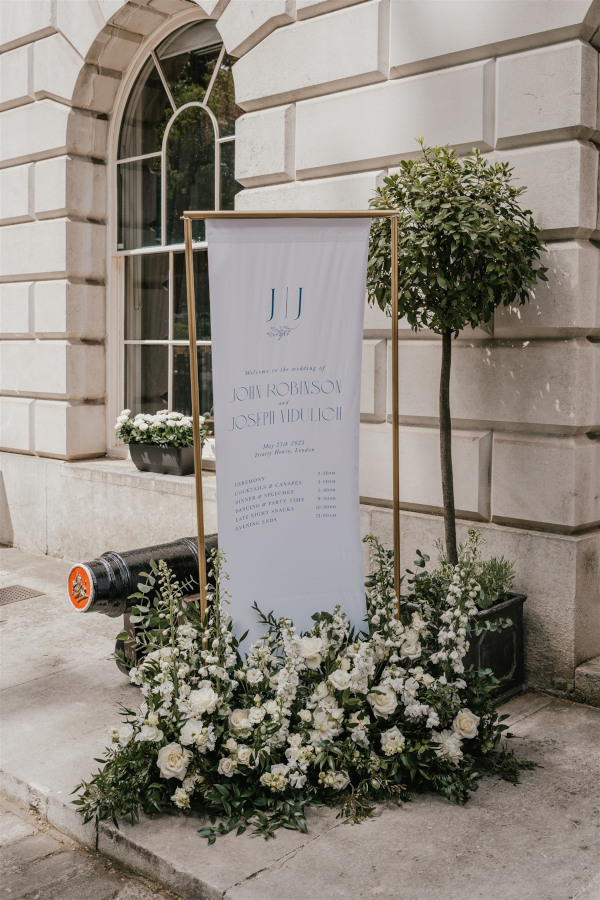
As your ideas take shape, think about the type of ceremony and celebration you’d love. Will it be religious or civil? Indoors or outdoors? A marquee, ballroom, country house, or destination venue?
Once you’ve identified your overall style, you can begin shortlisting venues that align with your vision, guest numbers, and budget.
A wedding planner can be invaluable at this stage, helping you narrow down options, visualise possibilities, and even uncover hidden gems you may not have considered.
Navigating All the Questions
Once you announce your engagement, one question will come up again and again: “So… when’s the wedding?”
While it’s lovely that people are excited for you, the attention and opinions can feel overwhelming. Take your time. It’s perfectly fine not to have all the answers yet.
Be diplomatic, share what you’re comfortable with, and remember that your wedding choices only need to make sense to the two of you. Having a wedding planner can also help you confidently navigate conversations and manage expectations.
Protect Your Peace (and Your Ring)
Your engagement ring is sentimental and valuable, so it’s important to have it properly insured for peace of mind.
You may also want to consider wedding insurance. While policies vary, insurance can offer reassurance should unexpected issues arise with venues or suppliers. Always read the details carefully, understand what’s covered, and seek professional advice if needed.
Enjoy Being Engaged
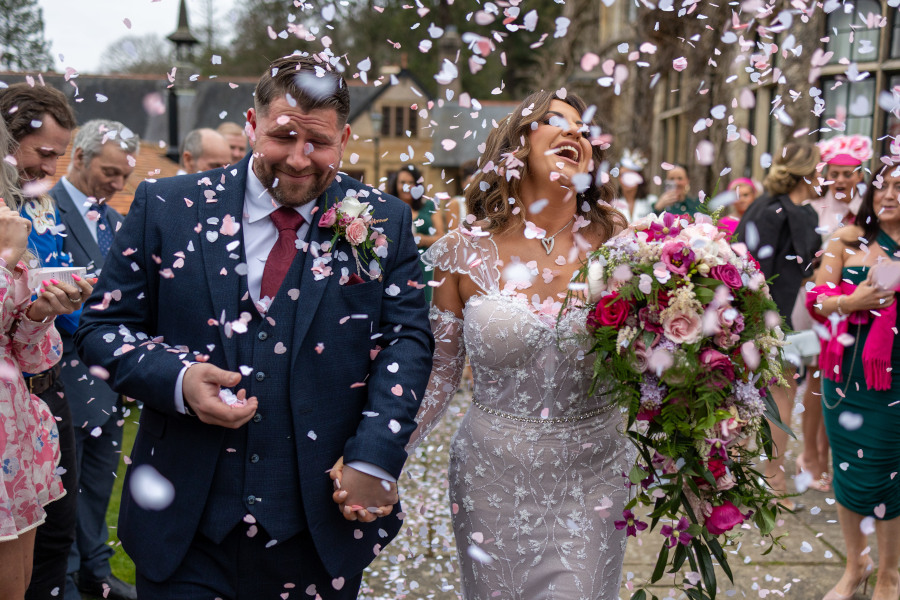
Above all else, enjoy this time. Your engagement marks the beginning of your life together, and your wedding should reflect your love and relationship, not outside pressure or expectations.
Try not to let planning take over your life or your connection as a couple. Surround yourself with the right support, trust your instincts, and remember that it’s okay to ask for help.
Curious about working with a Wedding Planner?
Discover my services and how I can support you every step of the way, from “yes” to “I do.”
Image credits: Sophie May Photography | Ela Tatiana Photography | Shelby Ellis Photography | Summers Photography